Friday, January 18, 2019

Top 14 Tamarind Health Benefits


STORY AT-A-GLANCE

  • Transported from Africa to India thousands of years ago, and to the Middle East by 400 B.C., tamarind has been called “one of the most important multipurpose tropical fruit tree species,” used for food and medicine as well as building materials
  • This exotic fruit can be eaten fresh or added to sweet, sour and savory dishes such as porridge, sauces, soups, preserves and jams, made into wine and soaked in cold water to make a refreshing beverage
  • Traditional medicine has used tamarind for many generations as a treatment for cold, fever, jaundice, stomach disorders and diarrhea, and its significant free radical-scavenging abilities have been confirmed by modern science
  • Essential amino acids, antioxidants and numerous phytonutrients in tamarind address many different diseases and disorders, including gout, conjunctivitis, fever, infection, inflammation and parasites
  • Multiple studies and clinical trials have demonstrated the many benefits tamarind is credited for helping to treat, alleviate or prevent

Tamarind is a tropical fruit many in the West haven’t tasted, but it comes in a pod that looks somewhat like a smooth, pale brown bean and inside has a sweetly acidic flavor and a sticky, paste-like consistency when mature. It’s relevant that tamarind, aka Tamarindus indica L, is known as the “date of India.”
Tamarind trees are native to Africa but were transported to India thousands of years ago, and possibly to Egypt as early as 400 B.C., a study in India in 2011 notes, referring to it as “one of the most important multipurpose tropical fruit tree species.”1 Brought to the Americas in the 16th century, the tree grows extensively in Mexico.
Depending on its use, people in Uganda have used it for as long as anyone can remember, as a snack when its ripe; the immature green pods are eaten both fresh and boiled with porridge, rice, fish and meats to give it a sour flavor. The fern-like leaves are cooked and eaten like a vegetable, and the pulp is sometimes made into wine or combined with other tropical fruits such as guava, papaya or banana. 
Tamarind is often used to flavor and thicken sauces, soups, preserves, jams and jellies. When the fruit inside is ripe, the pods or husks are removed, and the fruit is soaked in cold water to make a refreshing beverage. In the Bahamas, tamarind is roasted on coals and eaten with wood ashes,2 and it’s a prominent ingredient in Worcestershire sauce and barbecue sauce.
Tamarind has been grown in indigenous cultures of Eastern Uganda for generations, both for food and medicine. It’s been foundational for a number of other functions, from cultural and social traditions, to income generation, to environmental amelioration. Like most other plant-based foods, tamarind has its own complex and unique compounds that make it beneficial for health.
The fruit is used for food and medicine, including eating it raw, dried and ground into a spice, dried to make candies and, once it’s completely ripe, added to desserts as well as more savory dishes.3 It also has the ability to improve a number of health conditions throughout your body, especially:

Aiding respiratory health4
Promoting heart health by reducing blood pressure5
Regulating blood glucose levels to help control diabetes6
Potential weight loss via inhibited fat-storing enzyme
Pain relief, including headaches
Fighting infection by strengthening your immune system
Reducing fever7
Protecting against intestinal parasites8
Reducing hemorrhoid pain and inflammation
Stimulating the release of gastric juices to help regulate digestion through its fiber9
Improving blood circulation due to high iron content10
Protecting your skin against premature aging
Enhancing nerve function due to its high thiamine content
Alleviating skin disorders

Polyphenolic Aspects of Tamarind

Studies have recognized the extensive vitamin and mineral content of tamarind, including “a high level of protein with many essential amino acids, which help to build strong and efficient muscles,”11significant amounts of calcium, phosphorus and potassium, as well as iron, sodium, copper, zinc and nickel,12 the latter of which is needed in only trace amounts to enhance your body’s ability to absorb iron, prevent anemia and strengthen your bones to offset osteoporosis.13 
Thiamine is one of the B complex vitamins that serves to improve your nerve function and muscle development, and a unique compound known as hydroxycitric acid (HCA) can be extracted and used as a spice to suppress your appetite and promote weight loss.14
Tamarind leaves contain a “fair” amount of vitamin C and β-carotene, and a high mineral content, particularly phosphorus, potassium, calcium and magnesium.15 However, while both the pulp and the seeds have been revealed as rich in potent antioxidants and other phytonutrients, in some areas, tamarind seeds have been “underutilized” because they were simply discarded. An overarching university study16 in Kenya in 2017 reveals common medicinal uses:
“Traditionally, tamarind beverage was recommended for convalescents and expectant mothers. Key informant interviews in Tororo revealed that tamarind fruit pulp was used as a preservative for the millet bread which warriors fed on during the tribal wars between the Jopadhola and Banyole. Tamarind fruit beverage was also commonly given to rejuvenate those returning from war.”17
One review reporting on the extent of the plant’s “explored potential” also listed the ability of tamarind extracts in traditional medicine, adding helminthes infections (parasites), abdominal pain, diarrhea and dysentery, wound healing, eye diseases, malaria and fever, constipation, cell cytotoxicity and gonorrhea. It continues:
“The plant is reported to possess antidiabetic activity, antimicrobial activity, antivenomic activity, antioxidant activity, antimalarial activity, hepatoprotective activity, antiasthmatic activity, laxative activity and anti-hyperlipidemic activity. Every part of the plant from root to leaf tips is useful for human needs.”18
A number of powerful polyphenolics helps explain why tamarind has for thousands of years and continues to have such dramatic effects on disease. The Research Journal of Microbiology19 lists tartaric acid, acetic acid, succinic acid, alkaloid, flavonoids, sesquiterpenes and glycosides as some of the active ingredients in tamarind.
In addition, proanthocyanidins include apigenin, procyanidin, epicatechin, procyanidin dimer, procyanidin trimer and, to lesser degrees, but significant enough to impart positive benefits, taxifolin, eriodictyol and naringenin, in respective order.

Tamarind Uses and Historical Significance

From planting to eventual harvest is a slow, lengthy process, as the tree — which can reach 80 feet in arid climates, but only 18 to 20 feet high in California — doesn’t produce for four or five years. Once mature, tamarind trees can produce as much as 350 pounds of fruit per year.20 Harvesting is often accomplished by shaking the tree and gleaning what falls.
The peoples’ “indigenous knowledge of the fruit,” (called “IK” in the study) has been relied on for expanded use, preservation and conservation of Tamarindus indica L, its scientific name. In fact, 18 uses for tamarind explain why at least half the locals assisting in the study grew the tree in their home gardens; however, 52 percent of the tamarind trees were identified by scientists as self-propagated.
Reported nonfood uses for the tamarind tree included shade or windbreaks to protect native homes, building materials, oral hygiene (toothbrushes), textiles, dying, making gunpowder,21 feed for livestock and food preservation as practical functions.

More Studies on Tamarind for Multiple Diseases and Disorders

A number of studies over recent years have identified tamarind as having compounds useful in treating diseases, including diabetes. One of them is a study conducted in India in 2004, which notes:
“Plants are being effectively tried in a variety of pathophysiological states. Tamarindus indica Linn. is one of them. In the present study, aqueous extract of seed of Tamarindus indica Linn. was found to have potent antidiabetogenic activity that reduces blood sugar level in streptozotocin (STZ)-induced diabetic male rat.”22
A 2011 study23 from the University of Adelaide in Australia observes traditional medicinal uses for tamarind as a treatment for cold, fever, jaundice, stomach disorders, diarrhea and as a skin cleanser.
More significantly, the study lists its “tannins, saponins, sesquiterpenes, alkaloids and phlobatamins and extracts” tested as active against both gram positive and gram negative bacteria. The study’s conclusion notes the plant’s “broad spectrum antibacterial activity and a potential source of new classes of antibiotics that could be useful for infectious disease chemotherapy and control.”24
The seeds have been shown to have significant free radical-scavenging abilities,25 and according to a book published first in 1930 and updated in 1961, “Woody Plants of Ghana,” the fruit can act as a laxative due to the malic and tartaric acids and potassium acid.26
The earlier reference to wound healing by tamarind was addressed in another study, as was its potential for treating malaria27 and dysentery.28 Tamarind’s high fiber content is responsible for its natural laxative properties, as it may help to add bulk to your stool while also stimulating bile activity and digestion.29
In addition, tamarind was reported in the journal Food and Chemical Toxicology to reduce blood pressure, possibly due to the potassium content,30 and a compound called lupeol found in tamarind exerts anti-inflammatory and anticancer properties, according to a study at the University of Wisconsin, while also reducing eye irritations such as conjunctivitis, aka pink eye, and addressing pain from gout, rheumatism and arthritis.31
One thing to note regarding tamarind is that it has a tendency to act as a blood thinner, so be aware if you take aspirin, which does the same, as does blood thinners. But this exotic fruit’s ability to boost your immune system, fight microbial and fungal infections and act as a powerful antioxidant make tamarind a highly nutritious plant-based food.
Are you motivated to make healthy changes to your diet and lifestyle this year? Commit to your health goals and achieve long-lasting success with the help of my All-Time Top 30 Health Tips.
These strategies for achieving optimal wellness are perfect for everyone — from fit and healthy individuals who want to stay in tiptop shape to those who are just starting their journey to optimal health. These tips, which are taken from some of the all-time most-viewed Mercola articles, include:
  • The importance of vitamin D and magnesium (and how to increase your levels of these nutrients)
  • The secrets to regulating your blood pressure levels (in just 15 minutes!)
  • The benefits of avoiding aspartame, the most dangerous substance added to foods
And so much more! A new tip is provided for each day of January, so you have something to look forward to every day!

Sources and References

https://articles.mercola.com/sites/articles/archive/2019/01/07/tamarind-health-benefits.aspx

January 18, 2019 – A Man and His Friends


Friday of the First Week in Ordinary Time

Father Paul Campbell, LC

Mark 2:1-12 

When Jesus returned to Capernaum after some days, it became known that he was at home. Many gathered together so that there was no longer room for them, not even around the door, and he preached the word to them. They came bringing to him a paralytic carried by four men. Unable to get near Jesus because of the crowd, they opened up the roof above him. After they had broken through, they let down the mat on which the paralytic was lying. When Jesus saw their faith, he said to the paralytic, “Child, your sins are forgiven.” Now some of the scribes were sitting there asking themselves, “Why does this man speak that way? He is blaspheming. Who but God alone can forgive sins?” Jesus immediately knew in his mind what they were thinking to themselves, so he said, “Why are you thinking such things in your hearts? Which is easier, to say to the paralytic, ‘Your sins are forgiven,’ or to say, ‘Rise, pick up your mat and walk’? But that you may know that the Son of Man has authority to forgive sins on earth”—he said to the paralytic, “I say to you, rise, pick up your mat, and go home.” He rose, picked up his mat at once, and went away in the sight of everyone. They were all astounded and glorified God, saying, “We have never seen anything like this.”
Introductory Prayer: Jesus, thank you for this time to be with you. I humbly offer you my intention to set all my distractions aside so that I can encounter you, my Lord and my God. I hope in you and know that you could never let me down. I love you and long to love you with all of my strength. Aware of my misery and weakness, I trust in your mercy and love.
Petition: Lord, increase my zeal for souls.
  1. The Paralytic: One day, four men carried a friend to Jesus. It made all the difference in the world to the friend, for he was paralyzed and was unable to approach Jesus on his own. He had heard of the miracles Jesus had performed but had never seen them. His own healing was out of the question: he couldn’t go to Jesus on his own. Had his four friends not stepped in and brought him to Jesus, he would never have been cured. Their faith and love made his healing possible. Who does Jesus want me to bring to him? Do I invite people to prayer and adoration? Do I invite people to Mass and confession?
  1. The Four Friends: These four men were not stopped by the obstacles in their way. How long they traveled isn’t mentioned, but even a short distance is tiring when carrying a man on a mat. When they arrived at the house, it was full of people who had traveled to hear and see Jesus and to be cured by him. It was impossible for the men to get inside the house through the door, but they didn’t give up. They didn’t quit. They carried their friend up to the rooftop and lowered him down into the house. By persevering we can achieve anything. Love knows no boundaries or limits.
  1. Jesus: God wants to save so many people. He wants to bring real healing into their lives, but he wants to heal them through us. Jesus could have found the paralyzed man. He chose, rather, to let the others bring the man to him. Jesus wanted to heal him, but without the charity in the hearts of the four men, the healing might never have been accomplished. Who does Jesus wish to encounter through me? How can I be a better instrument of his love?
Conversation with Christ: Lord, help me to realize more deeply that you want me involved in salvation history. I’m on the front lines. You entrust souls to me, and you want to bless their lives through my prayers, my sacrifices and my work. Increase my love for these souls. They need my help and my fidelity. I don’t want to let them down. Help me to be faithful.
Resolution: I will make a sacrifice today for the person most in need of God’s grace.

Thursday, January 17, 2019

7 Important Signs Of Lung Cancer, That You Need To Be Aware Of!

The disease most feared by society is cancer! The mere mention of the name triggers sorrow, pity, and anxiety.
Statistically, cancer is one of the biggest killers of humans. Most causes for cancer are still a puzzle. Though the main reason for lung cancer has been known for a while – smoking!
Cancer begins in the cells. Normally, the body builds new cells on demand to replace the old ones that then die. Sometimes, this process is disturbed and some cells continue to grow – uncontrolled – even though the original cells are still healthy and alive. As a result, the body produces more and more cells, but the old ones remain and continue to live. This disruption leads to a growth – also known as a tumor. Tumors can be benign or malignant. It is the malignant tumors however, that invade the body tissue and surrounding areas through the transmission of cancer cells. In this manner, the cancer transfers to other body parts and affects the organs and lymphatic system. The spread of cancer cells is known as metastasis.
One of the most common forms of cancer is lung cancer. There are 7 warning signs of lung cancer that we can watch out for:

  1. Consistent cough
A cold, accompanied by a cough is nothing rare. Therefore, it is important to try and cure the cough. Most infectious diseases of the airways get better within a week. If the coughing remains for longer than 2 weeks, without getting better, a visit to the doctor is strongly recommended – especially when the cough includes bloody sputum.

  1. Shortness of breath
Trouble breathing is a common symptom of patients with lung cancer. There can be different causes for this. As a result of the cancer, fluid can build in the lungs, dramatically reducing the lung capacity. It can also clog the blood vessels due to the growth of a tumor. If you suddenly don’t have the stamina that you used to and climbing the stairs brings a sweat to your brow – even though you’re usually quite the sporty type – then you should definitely see a doctor and get a checkup.

  1. Pain in the chest, back and/or shoulder
Pain in the chest – which gets worse with every breath, laugh, or cough – is not something to be downplayed. The pain can also spread to your back or shoulders. However, this pain can also be the result of a bruised rib, an inflammation of the shoulder, or due to a strained back. It’s still best to have these symptoms checked by a doctor to find out the cause of the pain.

  1. Whistling sound when breathing
A whistling sound when breathing means that the air is trying to pass through narrow airways. This doesn’t necessarily mean lung cancer as it could also be caused by another respiratory disease such as asthma. Nevertheless, this sound could be something serious and you should get it checked out by a medical practitioner.

  1. Unexplainable weight loss
Around 15% of all cancer patients have already lost a drastic amount of weight before being diagnosed with cancer. The average person loses over 10% of their body weight before diagnosis. This is mainly because cancer directly influences the metabolism. Turn to your doctor if you lose a lot of weight in a short period of time due to a persistent lack of appetite.

  1. Aching bone
Bones begin aching when lung cancer has already spread into the marrow. In particular, if the pain is in your spine, ribs, hips, or thighs then you should make an appointment with your doctor.

  1. Headaches
Headaches can often occur as a result of lung cancer. When the cancer cells metastasize in the brain, they put pressure on the blood vessels. These metastases decrease the blood flow through the arteries to the brain and therefore cause a pounding headache. If you often suffer from strong headaches, it doesn’t mean that it’s definitely because of cancer. It could also be a migraine. But if the headaches become more frequent and worse a visit to the doctor is unavoidable.
Of course, one doesn’t instantly have cancer if one has one or more of these symptoms. It is, however, important to listen to your body’s signals and, whenever in doubt, to consult an expert. Share this post with all of your friends. The sooner cancer is spotted, the greater the chance of beating the insidious disease!
http://healthcancercures.com/2016/06/22/7-important-signs-of-lung-cancer-that-you-need-to-be-aware-of/?fbclid=IwAR1_56-2werESlBBGy4sR4_N5_6IBOOl37CiRT3EjWPnVEzW_K3BZoLbIDA

32 AMAZING HEALTH BENEFITS AND USES OF CUSTARD APPLE/SUGAR APPLE/ATIS

Custard apple, also known as Seetaphal in India, is a subtropical fruit belonging to the Annonacea family. The fruit grows on a small deciduous tree and is known by different names worldwide. The fruit is around 8 centimeters in diameter and has a sweet and delicious taste. The shape of the fruit may be lopsided, irregular, spherical, heart shaped, or round. It has a creamy and granular textured flesh, surrounded by seeds. The skin of the fruit is thin and tough, mostly black and green in colour. The fruit is native to West Indies, Central America, Peru and Mexico. Check out the article to know about the types of custard apples, their benefits, and the nutritional value in detail.


Types Of Custard Apples:
1. Pinks Mammoth is a huge custard apple with an outstanding taste. It is named after Mr. Pink, the man who introduced it to Australia. Its sweet and melting flavor makes it the most popular variant across the world. It is quite huge and could produce fruit weighing as much as 3 kg. This variety of custard apple is renowned for possessing almost no seeds.
2. African Pride is a ten feet tall tree, bearing small sized custard apple. The tree bears heart shaped fruit with a relatively thick skin. The fruit has more seeds than pinks mammoth and yields are quite high. It is an early maturing fruit that makes it the most commercially popular variety of custard apple. The fruit weighs between 500 grams to 800 grams and is mostly utilized for preparing salads and other savories.
3. Late Gold is a stunning golden bronze custard apple with a soft skin. This variety of custard apple is quite rare and is mostly available in Northern Rivers.
4. Geffner is an Israeli variety of the custard apple with an exceptionally amazing taste.
5. Hilary White has a relatively smooth skin and is average in size. It tastes same like the other varieties of custard apple.

Benefits Of Custard Apple for Health:
1. Helps To Gain Weight: Custard apple is an ideal snack and/or dessert for those who wish to put on some weight. A calorie-laden fruit, the sugars present in it make peps up the metabolic rate, thus, stimulating the appetite levels. The more your appetite is, the better the food intake will be. This, in turn, can help you gain weight.
2. For A Better Immune System: Custard apples are excellent sources of the natural antioxidant Vitamin C. This vitamin is also renowned for its innate anti-inflammatory and immune boosting properties. Include just one serving of this creamy fruit in your daily diet for a better resistance against infectious agents. It scavenges harmful free radicals in the body, preventing the onset of various illnesses and diseases.
3. Replenish Your Energy Levels: Custard apple is an excellent source of energy. It helps to fight exhaustion and eliminates muscle weakness.
4. Natural Anti-cancerous Properties: The bark of custard apple contains astringent properties and tannins, which is utilized for making herbal supplements. These supplements help in the treatment of several types of cancer and tumors. The fruit contains compounds like acetogenin and alkaloids that reduce the risk of cancer and renal failure. It acts against cancer cells, without adversely affecting healthy cells. Antioxidants such as asimicin and bullatacin are also found to have anti-cancer and anti-helminthes properties. These antioxidants neutralize the effects of free radicals, preventing cancer. It also contains significant fiber, which protects the colon membrane by warding off toxic substance from the gut, reducing the risk of liver and colon risk. It also provides protection from breast cancer.
5. For Better Brain Health: Custard apple is a good source of B complex vitamins, which controls the GABA neuron chemical levels in the brain. This helps to calm down stress, tension, irritability and depression. It also protects from Parkinson’s disease. 100 grams of custard apple contain 0.6 grams of vitamin B6, amounting to about 20% of the daily recommended value.
6. For A Strong Dental System: The skin of custard apple is helpful for fighting against tooth and gum pain.
7. Keep Anemia Away With Custard Apple: The high levels of iron in custard apple are very beneficial for curing anemia. The fruit is excellent in treating vomiting, gout and vitamin B6 deficiency.
8. For A Better Vision: Custard apple contains riboflavin and vitamin C, which helps to combat free radical destruction. This helps in maintaining good eyesight
9. Lower The Risk Of Arthritis: The high amount of magnesium in custard apple equalizes the water balance in the body and removes acids from the joint, reducing the symptoms of rheumatism and arthritis. Regular consumption also helps to fight muscle weakness. Custard apple also contains a decent amount of calcium, which is vital for bone health.
10. For Better Cardiovascular Health: The well-balanced ratio of sodium and potassium in custard apple regulates and controls blood pressure fluctuations in the body. The high levels of magnesium in custard apple unwinds the smooth muscles of the heart and calms the jerks and cramps, thus preventing heart attack and stroke. Niacin and fiber in custard apple lowers bad cholesterol and increases good cholesterol in the body. It also prevents the absorption of cholesterol in the gut. Custard apple also prevents the free radicals from attacking lipid, promoting heart health.
11. Thwarts Off Diabetes: The fiber in custard apple slows down the absorption of sugar in the body, reducing the risk of Type two Diabetes.
12. For A Stronger Digestive System: This delicious fruit is very effective for treating indigestion. It flushes out the toxins from the intestine, aiding in proper functioning of the bowels. It also prevents stomach related diseases like heartburn, ulcer, gastritis and acidity. Custard apple in its unripe form is further dried and crushed to treat diarrhea and dysentery. One medium sized custard apple contains 6 grams of dietary fiber, amounting to almost 90% of the recommended amount. Fiber adds bulk to the stools, relieving constipation.
13. Good For Fetal Skin And Hair: Custard apple contains high amounts of vitamin A and C, which is very beneficial for maintaining the skin, eyes and hair of the fetus.
14. Prevents Premature Labor: Custard apple is an excellent source of copper. It is a trace mineral which helps the body to form hemoglobin. Pregnant women need 1000 micrograms of copper each day for proper development of the fetus. Low levels of copper in the body can lead to premature birth in the child. Consuming custard apple during pregnancy is very healthy.
15. Good For Fetal Brain Development: Regular consumption of custard apple is also good for the growth of the baby. It also helps in the development of the brain of the fetus.
16. Excellent Source Of Iron: Custard apple is a rich source of iron, which reduces the risk of premature birth of the baby. It reduces the extent of labor pain in expectant women. It is also known to increase the milk production in pregnant and lactating women.
17. Keeps Infections At Bay: Custard apple contains high amounts of antioxidants, which keeps infection at bay.
18. Natural Antidote For Morning Sickness: It also cures morning sickness in pregnant women. It fights nausea, numbness, food cravings and mood swings during pregnancy.
Custard apple is believed to be a good alternative to milk. Therefore, it is a perfect choice for pregnant women who are allergic to dairy products.

Benefits of Custard Apple for Skin:
19. Good For Skin Rejuvenation: Custard apple is not only a delicious fruit, but is excellent for the skin as well. It contains nutrients like vitamin C, vitamin A, vitamin B, antioxidants, which are required for rejuvenating the skin’s health.
20. Naturally Heals The Skin Infections: The paste of custard apple is used to treat ulcer, abscesses, and boils. Vitamin C in custard apple helps in the healing of wounds and forming cartilage, tendons and ligaments. Consuming custard apple juice on a regular basis stimulates the development of new cells in the layers of the skin. It also assists in healing of abrasion and cuts. The latex of custard apple tree when applied on the skin treats skin diseases like inflammation, eczema and psoriasis.
21. Delays Ageing And Keeps Skin Youthful: Regular consumption of custard apple thickens and stimulates the collagen to reduce wrinkles and fine lines. It increases the deposition of collagen and slows its breakdown, improving the elasticity of the skin. It also improves hydration in and around the cells. Vitamin C in custard apple combats free radicals in the body, providing a healthy, flawless and glowing skin. It promotes a healthy cell membrane. The antioxidants in custard apple neutralize free radicals, hastening the process of regeneration. It helps to delay the signs of ageing like age spots and blemishes. The antioxidants fight the harsh rays of the sun, protecting from sun damage. Consumption of custard apple helps in the regeneration of skin cells and contributes in making the skin youthful.
22. Keeps Skin Cancer Away: The acetogenin compounds in custard apple help in the eradication of pre-cancerous skin lesion, preventing skin cancer.
23. Lowers Pigmentation Problems: Custard apple decreases the clustering of melanin granules, reducing brown spots and pigmentation. It also helps to reverse the pigmentation caused due to the free radicals.
24. Eases Rosacea Symptoms: The high levels of iron in custard apple increase blood circulation, reducing the symptoms of rosacea.
25. Good For Pimple-Prone Skin: Consumption of custard apple decreases sebum production, controlling acne and pimples. Mix custard apple paste with lemon juice and use it three times a week to control sebum production. The anti-inflammatory properties of custard apple fight acne and clear the pores to prevent further breakou
26. Natural Detoxifying Agent: Custard apple is loaded with soluble fiber and antioxidants, making it an excellent laxative. Regular consumption of custard apple helps to get rid of toxins and waste, giving you a healthy and glowing skin.
Drinking custard apple juice evens out the skin tone and makes it firm by rejuvenating its appearance.

Benefits of Custard Apple for Hair:
Custard apple contains vital nutrients like iron, magnesium, vitamin A and phosphorus, which can benefit the hair in multiple ways.
27. Helps To Eliminate Lice: Unripe custard apple fruit powder can help you to get rid of lice. Mix the powder with water or coconut oil and apply it on the scalp. Wash it off after 10 minutes to treat hair lice and nits.
28. For Better Collagen Levels: Vitamin C in custard apple contributes to the development of collagen, a protein which makes up the major portion of our hair and scalp.
29. For A Luxurious, Moisturized Hair: Custard apple seed oil is useful for taming wavy and coarse hair. It hydrates and moisturizes the scalp, making the hair lustrous, voluminous and shiny. The high levels of vitamin A in custard apple seed oil hydrate the hair without weighing it down.
30. Prevents Premature Graying: The high levels of copper in custard apple contribute to the formation of melanin, preventing premature hair graying. It also maintains the natural color of the hair.
31. Natural Antidote For Scalp Infections: The vitamin C and antioxidants in custard apple regulate the sebum production in the scalp, reducing dandruff and flaky skin.
32. For Better Hair Growth: It inhibits scalp inflammation, preventing hair fall. It also facilitates the absorption of nutrients, providing nourishment to the hair. The high amount of iron in custard apple improves blood circulation in the scalp, stimulating the follicles to promote hair growth.

Other Benefits Of Custard Apple:
A decoction made of custard apple leaves promote healthy blood flow during menstruation. The decoction can also be used to relieve dysentery, cold and fever. The juice of unripe custard apple is useful for treating insect bites. A paste made of custard apple leaves applied to the wound not only helps in healing, but also destroys the worms infested around the wounds. Add the decoction of custard apple leaves to your bath water to alleviate rheumatic pains. Sniffing crushed leaves of the custard apple plant prevents fainting spells and dizziness. Add a few drops of the decoction in the nose can bring an unconscious person back to consciousness.

Custard Apple Nutritional Value:
Custard apple is a packed with several essential nutrients. The fruit is a storehouse of Vitamin C, Vitamin A and Vitamin B6. It contains 35 grams of Vitamin V, amounting to 40% of the daily recommended amount of vitamin C. It contains minerals like potassium, magnesium, phosphorus, potassium, sodium, copper, and dietary fiber.

Side Effects Of Custard Apples:
Custard apple is very cold in nature, so do not consume it in excess amounts as it can make one sick. The seeds of custard apple fruit are poisonous. Do not consume it. Since these fleshy, creamy fruits are rich in sugar, diabetes patients are advised to not consume custard apple in high amounts.

Now it is time you start including custard apple in your diet and reap the benefits it renders your health, hair, and skin.
-BK Rubytha Huntarigo Batiller of HERBAL PLANTS BENEFITS A LOT WHICH IS GOOD FOR OUR HUMAN BODY

http://arbiemazingspot.blogspot.com/2017/11/32-amazing-health-benefits-and-uses-of.html

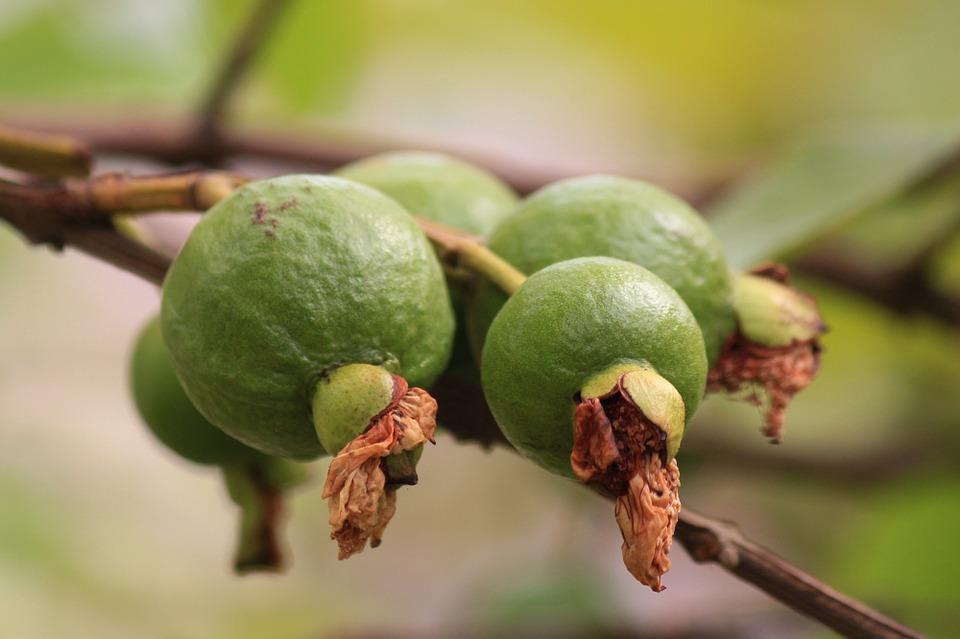
Bayabas benefits: Ano-ano nga ba ang sustansiyang hatid ng paboritong prutas ni Juan?


Ang paboritong prutas ni Juan Tamad ay nag-uumapaw pala sa sustansiya! Power! (Source: pixabay.com)
Alam n’yo bang puwedeng tawagin na superfruit ang bayabas? Weh, ‘di nga?!
Aba, oo naman! Hindi man masyadong napapansin sa mga pamilihan, ang bayabas ay nagtataglay ng mga sustansiya na kailangan ng ating katawan upang labanan ang mga allergy at malalang sakit.
Bukod pa riyan, kapaki-pakinabang din ang mga dahon nito na maaaring gawing alternatibo sa mga mamahaling beauty products. Kaya naman pala bentang-benta sa mga kapitbahay nina Aling Siony at Tatay George ng “Juan Tamad” ang kanilang guava products katulad ng guava jelly, guava powder at guava soap!
Hindi ka makapaniwala, ‘no? Para ibahagi sa atin ang ilan sa mga health benefits na puwede nating makuha sa pagkain ng prutas na ito, narito si Dr. Gerald Belandres, isang Primary Care Physician sa Family Access Health Group at Occupational Health Physician sa Minute Health Care.
Ang pagkain ng bayabas ay nakatutulong upang labanan ang sakit

Sulit naman pala ang paghihintay ni Juan Tamad na mahulog ang bayabas!
Ang simpleng pagkain ng superfruit na ito ay nakatutulong upang labanan ang mga sakit tulad ng allergies, ubo at sipon. Bakit? Dahil ang isang bayabas ay nagtataglay ng Vitamin C na kailangan ng ating katawan.
Pero maniniwala ka ba kung sasabihin sa’yo ni Juan Tamad na ang Vitamin C ng bayabas ay mas marami pa sa Vitamin C ng isang orange?
Sabi nga ni Dr. Gerald Belandres, “Mataas ang content ng Vitamin C ng bayabas compared sa ibang fruits and vegetables dahil ito ay may sapat na ascorbic acid content dahil sa kaniyang berdeng appearance at flesh nito.”
Kung gusto mong gumanda ang iyong balat, kumain ng bayabas

Ano ang say n'yo sa skin ni Aling Siony? Alagang bayabas 'yan!
Gusto mo bang mapanatili ang iyong magandang kutis? Aba, madali lang ang remedyo diyan! Bukod sa nakakatulong ito upang palakasin ang ating katawan, taglay din ng bayabas ang vitamin A, lycopene, and carotene na nakakatulong upang mas mukhang bata ang balat. Kung hindi n’yo naitatanong, ito rin ang malupit na sikreto ni Aling Siony kung bakit laging pak na pak ang kaniyang balat!

Wow, pak na pak! Ikaw na, Aling Siony!
Hindi ka makapaniwala, ‘no? Ayon nga kay, Dr. Gerald Belandres “Ang bayabas kasi ay nag-e-enhance ng collagen ng balat para mapanatili ang moisture at pagkabata nito.”
Ang bayabas ay may vitamin content na nakalilinaw ng mata

Hinding-hindi na siya mawawala sa paningin mo!
Katulad ka ba ni Juan na lagi lang nakatitig sa kagandahan ni Marie? Para walang palya ang bawat sulyap mo sa kaniya, bakit hindi mo araw-arawin ang pagkain ng bayabas?
Ayon sa mga medical research, ang vitamin A ay nakatutulong upang panatilihing malinaw ang ating mga mata. Ang bitaminang ito ay makukuha sa regular na pagkain ng mga prutas at gulay katulad ng carrots, kalabasa at apricots.
Hindi pa man tuluyang nasusuri ang iba pang sustansiyang taglay ng bayabas, may ilang nutrients naman ito katulad ng collagen property na ring makatulong upang maging malinaw ang mga mata.
Ayon kay Doctor Gerald Belandres “Although, walang specific na studies para dito pero mataas kasi ang collagen property at vitamins nito na talaga nga namang nakatutulong para magkaroon ng mas malinaw na paningin.”
Ang pagkain ng bayabas ay maaaring bawasan ang risk ng kanser
Ayon sa ilang medical reports, mayroon anti-cancer o anti-tumor properties na matatagpuan sa bayabas. Ilan sa mga ito ay lycopene, querticin, Vitamin C at various polyphenols na nakatutulong proteksyunan ang katawan mula sa kanser.
Pero, totoo nga ba ang magandang balita na ‘to, Juan? Ayon kay Dr. Gerald Belandres, “Actually, wala pang sapat na studies para dito pero mayroon kasi itong anti-oxidant properties na nakatutulong palakasin ang immune system ng isang taong may cancer.”
Mukhang acne-free katulad ni Marie? Bayabas ang sagot diyan

Mukhang acne-free? Kayang-kayang i-achieve 'yan ng bayabas!
Hindi mo naman kailangang gumastos o dumaan sa napakaraming chemical treatments para lang alisin ang nakababahalang acne sa mukha. Dahil ang gamot sa mga skin problem katulad ng acne ay makikita lang mismo sa bakuran ni Juan. Aba, powerful!
Batay sa pag-aaral ng American Journal of Chinese Medicine, ang dahon ng bayabas ay mayaman sa anti-bacterial properties na nakatutulong para pigilan ang pagdami ng mga tigyawat sa mukha!
“Oo, nakakagamot ito ng acne kasi may anti-bacterial property ito lalo na sa paglanggas ng sugat at acne,” wika ni Dr. Gerald Belandres. 
Sa kabila ng katamaran ni Juan Tamad, sino ang mag-aakala na ang prutas na araw-araw niyang binabantayan ay sobra-sobra pa ang biyayang hatid sa kaniya at sa kaniyang mga kapitbahay.
Kaya payo ni Juan Tamad, ugaliing kumain ng bayabas! --- BMS/GMA Public Affairs

Ang Maraming Benepisyo ng Malunggay

Written by Anna Santos Villar


Isa ang malunggay sa kilalang pinaka-hitik sa benepisyo para sa katawan o kalusugan ng pamilya. Mayaman sa bitamina at sustansiya ang dahon ng malunggay (kilala rin sa tawag na moringa), lalo para sa mga bata, at pati na rin sa mga mommy. Marami nang gumagamit nito para sa mga gamot, pati sa mga ulam. Hindi gaanong kilala o sikat ang gulay na ito, lalo na sa mga bansa sa Kanluran, pero sa Pilipinas, nagsimula nang malaman ng mga nutritionist, doktor at mga paaralan ang mga benepisyo ng malunggay. Isa na itong itinutuing na “superfood” ngayon.
Ang Malunggay o Moringa Oleifera ay isang tropical tree na karaniwang tumutubo sa  iba’t ibang lugar sa Pilipinas. Ito ay kilalang Moringa, ben-oil tree, clarifier tree o drumstick tree sa Amerika at mga bansa sa Kanluran, La Mu sa China, Shevaga sa Marathi at Sajina naman sa India. Tinuturing na miracle tree ito dahil  sa dami na nga ng nagagamot nito bilang sangkap s mga herbal medicine, at naitutulong nito sa kalusugan ng mga bata at mga kababaihan, kapag isinahog sa ulam.
Narito ang mga pangunahing benepisyo ng malunggay sa mga bata at mga ina.

1. Nakapagpapalakas ng katawan.

Dahil sa hitik ito sa vitamins at sustansiya, nakakapaglalakas ito ng katawan lalo sa mga bata, na kailangang ng source of energy dahil sa pagiging aktibo ng mga ito. Mayron itong taglay na protein na doble pa sa gatas, potassium na higit pa sa makukuha sa saging, Vitamin A na higit pa kaysa sa carrots, at Vitamin C na pitong beses pang higit kaysa sa oranges.  Kaya naman nkakatulong itong magpatibay ng immune system at labanan ang mga common bacteria.


Mayaman din ito sa calcium, kaya’t rekumendado na kainin o higupin ang sabaw nito ng mga nanay na nagpapasuso ng kanilang sanggol, para mas maging hitik sa bitamina ang gatas ng ina.

2. Mayron itong medicinal properties na nakakatulong sa paggamot ng diabetes at sakit ng ulo, at iba pa.

Mabisa itong nakakagamot sa sakit ng ulo, migraine, at kahit ano pang sakit ng katawan. Napatunayan na rin ang malaking tulong ng malunggay sa pagpapa-normal ng blood sugar, kaya’t nakakatulong sa diabetes. Nilalabanan din nito ang intestinal worms o bulate sa mga bata, lagnat, at hika.

3. Nakakatulong sa Metabolism.

Habang lumalaki, mabilis at aktibo ang metabolism ng mga bata. Pero kapag nagkasakit, nawawalan ng gana at humihina ang metabolism, kaya’t nakakatulong ang pagkain ng malunggay dahil sa taglay nitong sustansiya. Mabisang pampagana at pantunaw ang malunggay, dahil na rin sa taglay nitong fiber, kaya’t makakatulong sa pagbigat ng timbang at paglaki o pagtangkad. Mayaman din ito sa fiber at amino acid kaya’t napapatibay ang cell development ng isang bata, habang nakakatulong din sa anumang digestive problem tulad ng hyperacidity at ulcer.


Kung gusto namang mabawasan ang timbang lalo na pagkapanganak, malunggay  din ang dapat isahog sa kinakain dahil sa hitik ito sa fiber. Ang mabilis na metabolism kasi ay makakatulong sa pagtunaw ng mga hindi kailangang fats o taba sa katawan.

4. Masisiguro ang kalusugan ng atay at kidney.

Mayron din kasing detoxifying potential ang dahon ng malunggay, kaya’t nakatutulong ito sa atay at kidney natin. Lalo na kung mahilig pang kumain ng mga pagkain maalat at mga junk food, malunggay ang tumutulong sa ma-detoxify ang ating katawan.

5. Mabisang panlaban sa impeksiyon.

Kilala rin ang dahong ito sa taglay nitong anti-inflammatory properties, lalo na sa powder form. Mabisang panlaban o panggamot sa ubo at sipon, at iba pang minor na impeksiyon sa sistema. Pati na rin ang pagpapahupa ng sakit at maga ng mga joints at tendons.

6. Protektado ang mga mata.

Palagi bang nakatutok at nakatitig sa electronic gadgets, computer o TV ang inyong mga anak? Ito ang pangunahing nakakasira ng mga mata o paningin. Mayaman ang malunggay sa Vitamin A, kaya’t siguradong makakatulong ito kalusugan ng mga mata. Ang ginagawa ng iba ay pinapakuluan ang dahon at iniinom na parang tsaa.

7. Nakakatulong sa paggaling ng mga sugat.

Likas ang kakulitan at kalikutan ng mga bata, kaya karaniwang nasusugatan o nagkakapasa ang mga ito. Subukang gumamit ng malunggay powder sa mga sugat, para mas madaling gumaling ito. May mga nagtatapal din ng pinakuluang dahon nito, sa mga sugat, pasa, rashes at iba pang skin irritation dahil epektibo din itong gamot. Mayaman kasi sa vitamin A, C at E ang malunggay kaya’t nakakatulong ito sa kalusugan ng ating balat. Ito kasi ay may anti-bacterial at anti-fungal properties. 
Mapapansin din ang kagandahan ng kutis kapag madalas kumakain nito. Ginagawa itong paste para ipahid sa balat. Di na kailangang gumastos si Mommy para sa mamahaling skin care products. Dikdikin lang hanggang maging paste o cream, at ihilamos sa mukha o ipahid sa katawan, lalo sa mga tuhod at siko.

8. Pati mood swings, napapawi o nababawasan dahil sa malunggay.

Bata man o si Mommy na bagong panganak, minsan ay moody o paiba-iba ang nararamdamang emosiyonal. Ayon sa mga scientists, malaki ang natutulong ng pagkain ng malunggay para maibsan ang mood swings at anxiety ng isang tao.

9. Nakakapagpaganda ng buhok.

Mayaman din ito sa mga bitamina at amino acids na nakakatulong sa pagkakaron ng keratin protein, na isang pangunahing bahagi ng pagkakaron ng malusog at magandang buhok, at mabilis na paghaba at pagtubo nito. Dagdag pa dito ang mabisang panlaban nito sa pagkakaron ng balakubak, lalo sa mga bata.

10. Mabisang antioxidant.

Antioxidants ang ailangan para labanan ang cancer.  HItik sa antioxidant ang gulay na ito, kaya’t kung sasabayan pa ng healthy lifestyle at regulr na ehersisyo, protektado din tayo sa cancer.

11. Para sa mga mag-asawang nagpaplanong magkaanak, mabisa din ito sa para reproductive health.

Mayron din itong taglay na aphrodisiac properties para makatulong sa libido at pampagana sa pagtatalik. Nakakatulong din ito na mapadami ang sperm count sa pangmatagalang panahon na pagkain nito.
Sadyang “versatile” at napakaraming benepisyo ang malunggay. Ang sikreto lang ay ang matutong magluto ng may kasamang dahon nito, o malaman ang iba’t ibang paraan ng paggamit nito, dinikdik man, pinakuluan o ginawang powder o tablet form. Kaya’t huwag nang magdalawang isip at ipakilala na ito sa buong pamilya, lalo na sa mga bata.
Isang babala: Kung gagamit ng powder form, siguraduhing organic ito. Magtanong sa doktor bago uminom o magpainom ng anumang tableta o powder form ng malunggay na nabili sa iba, at hindi nanggaling sa sariling kusina o bakuran. Dahon, prutas at buto lamang ng malunggay ang ligtas kainin ng mga bata. Huwag magpapakain ng ugat nito.

SOURCES:

Foods That Can Soothe Arthritis Pain